Summer Oral Health Checklist for The Elderly
Summer brings unique challenges for older adults, particularly when it comes to maintaining oral comfort and overall wellbeing. Warmer weather, changes in hydration, and the effects of certain medications can increase the risk of dry mouth, irritation and oral infections. For residents in aged care, these seasonal factors can influence appetite, communication, and daily comfort. This guide outlines the key areas to monitor throughout the summer period and offers practical steps to support better oral health for older Australians.
Why Summer Impacts Oral Health in Older Adults
The warmer months can place additional stress on oral health, especially for older adults who may already be managing complex medical or mobility needs. Dehydration is more common in summer and often develops quickly, contributing to dry mouth, difficulty swallowing and increased risk of decay. Heat and humidity can also irritate soft tissues, making the mouth more vulnerable to ulcers and infections. Changes in diet, including higher intake of acidic fruits and cold beverages, may further affect tooth and gum health. For aged care residents, these factors combine to make consistent monitoring and proactive oral care especially important during the summer period.
Hydration and Dry Mouth Management
Recognising Dry Mouth Symptoms
Dry mouth is one of the most common summer-related concerns for older adults. Signs include a sticky or unusually dry tongue, difficulty chewing or swallowing, cracked lips, and changes in speech. Residents may also show reduced interest in meals due to discomfort.
Hydration Strategies for Older Adults
Encouraging small, frequent sips of water throughout the day is often more effective than large drinks at once. Offering water during medication rounds, after activities and alongside meals can support steady hydration. Sugar-free ice blocks or hydrating foods such as watermelon can also help increase fluid intake comfortably.
How Dry Mouth Affects Decay and Comfort
Saliva plays an essential role in protecting the teeth and soft tissues. When saliva flow decreases, the risk of decay, gum irritation and mouth sores rises. Residents with dry mouth may also experience denture discomfort. Early treatment helps prevent avoidable issues and improves overall comfort during the warmer months.
 Denture Care in Hot Weather
 Denture Care in Hot Weather
Preventing Irritation and Pressure Spots
Heat and humidity can cause minor swelling of oral tissues, which may lead to increased friction for denture wearers. Residents might report rubbing, discomfort or new pressure points. Regular checks for redness, sores or changes in fit help prevent further irritation.
Daily Hygiene Steps for Summer
Consistent teeth cleaning is essential during the warmer months. Dentures should be removed and cleaned daily using a soft brush and suitable cleanser, then stored in fresh water when not in use. Ensuring the mouth is cleaned before dentures are reinserted also reduces the risk of infection.
When to Review Denture Fit
Denture fit can change over time due to natural ageing, weight changes or medication side effects. If a resident experiences looseness, slipping or discomfort, a review may be needed. Timely adjustments improve comfort and help maintain safe eating and speaking throughout summer.
Monitoring for Summer-Related Oral Irritations
Ulcers and Mouth Sores
Warm weather and dehydration can make the soft tissues of the mouth more prone to irritation. Small ulcers or sores may develop from dryness, friction, or poorly fitting dentures. Early identification allows for simple measures to relieve discomfort and prevent further complications.
Fungal Infections and Thrush
Higher humidity and reduced saliva flow can increase the likelihood of fungal infections such as oral thrush. Common signs include white patches, redness, a burning sensation or difficulty swallowing. Residents who wear dentures or take certain medications may be more susceptible, making regular checks important.
Heat-Related Inflammation and Discomfort
Some residents may experience general inflammation of the gums or inner cheeks during hot weather. This can affect appetite and communication. Maintaining oral moisture, ensuring good denture hygiene and monitoring for changes helps support comfort across the summer period.
Medication Considerations During Summer
 Medication Considerations During Summer
Medications That Increase Dry Mouth
Many commonly prescribed medications reduce saliva flow, including those for blood pressure, anxiety, depression and pain management. During summer, the effects of these medications can become more noticeable due to increased fluid loss and heat exposure.
Supporting Oral Comfort for Residents on These Medications
Simple measures such as offering frequent sips of water, providing sugar-free hydration aids and encouraging gentle oral moisturising products can help reduce discomfort. Care staff should also observe whether medication timing affects symptoms and note any changes in behaviour or appetite.
When to Speak With a Dentist or GP
If dry mouth symptoms persist or begin to impact eating, communication or general wellbeing, further assessment may be needed. A dentist or GP can review medications, check for underlying issues and recommend targeted treatments to improve comfort throughout the warmer months.
Nutrition and Oral Health in the Warmer Months
Summer often brings lighter meals and refreshing snacks, which can be helpful for older adults, but some seasonal choices may irritate sensitive mouths. A balanced approach supports both comfort and nutrition.
Supportive Summer Foods
Hydrating options such as yoghurt, soft fruits, custards and well-cooked vegetables are gentle on the mouth and encourage steady fluid intake. Cool foods can also stimulate appetite during periods of heat.
Be Mindful of Acidity
Citrus fruits, pineapples and berries are popular in summer but can be acidic enough to cause irritation or enamel sensitivity, especially for residents with dry mouth. Offering these foods in smaller portions or alongside neutral foods helps maintain comfort.
Supporting Residents With Oral Sensitivities
Changes in texture, serving temperature or moisture levels can make eating easier. Residents experiencing ulcers, denture rubbing or dryness often benefit from softer meals and additional oral moisturising support before eating.
Daily Summer Oral Health Checklist for Care Staff
 Daily Summer Oral Health Checklist for Care Staff
A simple, consistent routine can significantly improve comfort for residents during the warmer months. This checklist supports carers in identifying early changes and maintaining daily oral health standards across the season.
Hydration and Comfort
- Offer small, frequent sips of water throughout the day.
- Encourage hydrating snacks such as soft fruits or sugar-free ice blocks.
- Monitor for signs of dry mouth or reduced interest in meals.
Denture and Oral Hygiene
- Clean dentures daily and store them in fresh water when not in use.
- Check for redness, rubbing or new pressure spots before reinsertion.
- Gently clean the mouth, including the gums and tongue, even when dentures are removed.
Observation and Reporting
- Look for changes such as ulcers, white patches, swelling or bad breath.
- Note any discomfort during meals or difficulty swallowing.
- Report concerns promptly to ensure timely dental review.
When to Arrange a Dental Review
Recognising when a resident requires dental attention is essential during the warmer months, as summer-related discomfort can progress quickly without support. A timely review helps maintain comfort, prevent preventable issues and ensure residents can continue eating and communicating comfortably.
A dental appointment is recommended when you notice any of the following:
- Persistent dry mouth that is affecting eating or speaking.
- Ongoing denture discomfort, looseness or rubbing that does not improve with routine care.
- Ulcers, sores or irritation that fail to heal within a few days.
- Signs of oral infection such as redness, swelling, white patches or a noticeable change in odour.
- Behavioural changes during meals, including reduced appetite, avoidance of certain foods or visible discomfort while chewing.
Early assessment leads to more effective treatment and helps maintain oral comfort throughout the summer period.
How Aged Care Dentistry Supports Facilities During Summer
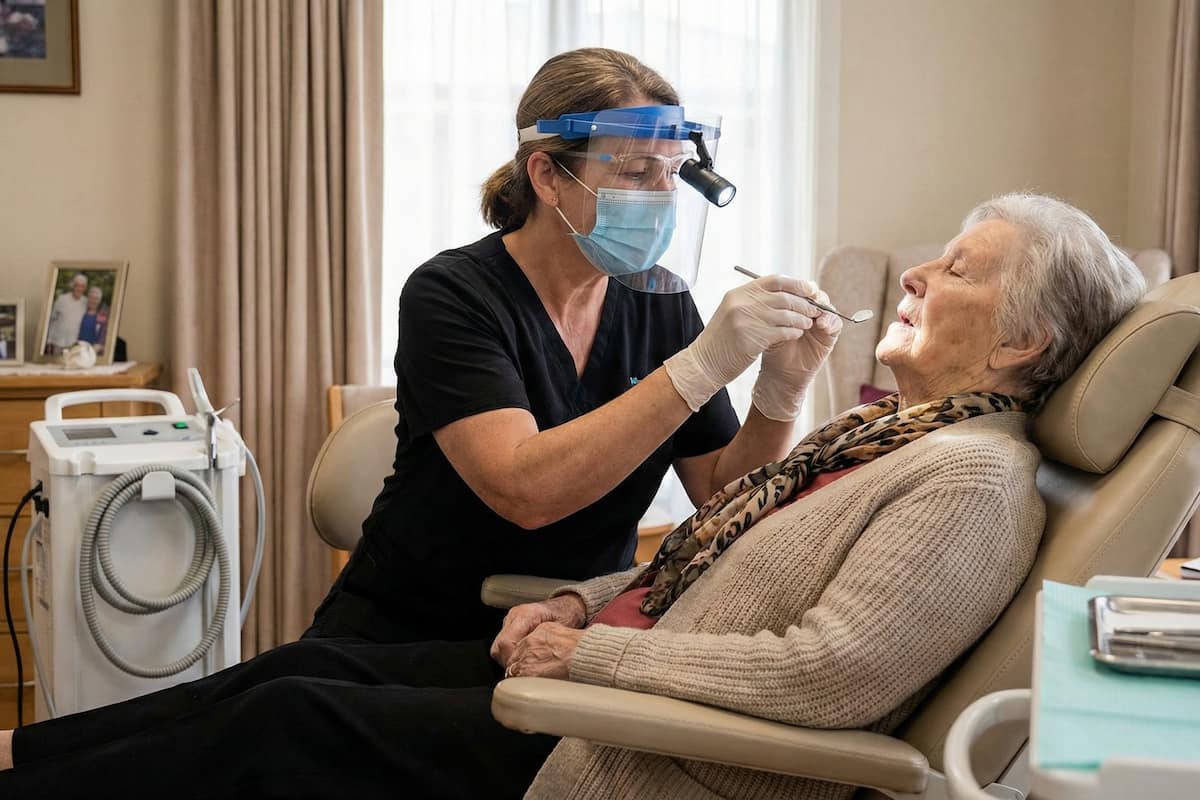
Summer can place added strain on oral health, and timely access to dental care plays an important role in maintaining resident comfort. Aged Care Dentistry provides on-site support that allows facilities to manage seasonal challenges effectively without disrupting daily routines.
Our mobile service enhances summer care by:
- Reducing stress for residents. Dental care is provided in the comfort of their familiar environment, which is especially important for individuals with mobility limitations or cognitive conditions.
- Supporting early intervention. Regular reviews help identify dry mouth, denture irritation and oral infections before they become more serious.
- Improving continuity of care. Coordinated communication with care staff ensures oral health considerations are integrated into daily routines throughout the warmer months.
- Maintaining comfort and function. Tailored treatment plans help residents continue to eat, speak and socialise comfortably, even during periods of heightened sensitivity or dehydration.
With proactive support, facilities can provide consistent, seasonally appropriate oral care that improves wellbeing for their residents.
What This Means for Your Facility
Summer presents unique oral health challenges for older adults, particularly those living in aged care settings. By focusing on hydration, monitoring for early signs of irritation, maintaining consistent denture and oral hygiene routines and adjusting care approaches to suit the season, facilities can significantly improve resident comfort and wellbeing. With timely support and collaborative care, older Australians can enjoy a healthier, more comfortable summer, supported by the right oral health practices and professional guidance.