Understanding How Oral Health Influences Elderly Wellbeing
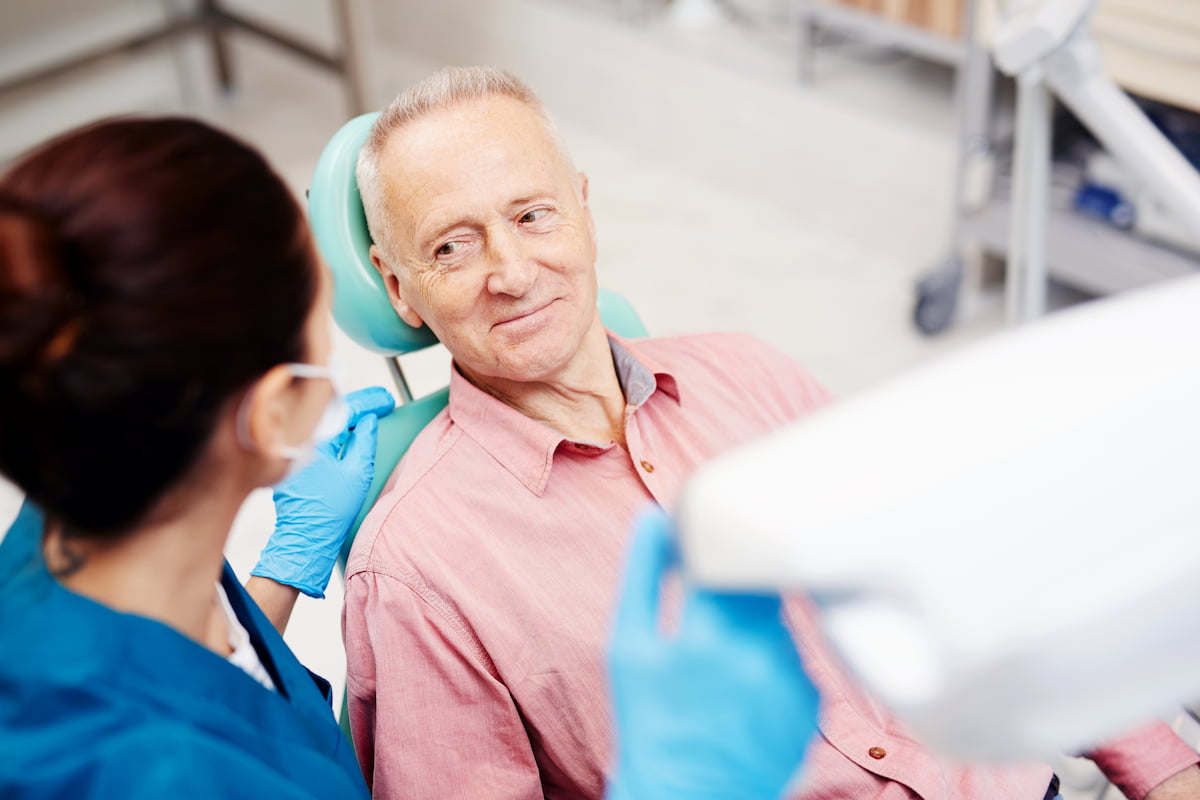
Oral health plays a significant role in the overall wellbeing of elderly residents, yet it is often overlooked in aged care settings. As people age, changes in medical conditions, medications, and daily routines can make it harder to maintain good oral hygiene, which can lead to broader health issues if left untreated. Understanding these connections is essential for families, carers, and aged care providers who want to support comfort, dignity, and quality of life for the residents in their care.
Understanding the Oral–Systemic Connection
The mouth is closely linked to the rest of the body, and changes in oral health can have far-reaching effects on overall wellbeing. When issues such as gum disease, decay or infection are left untreated, bacteria and inflammation can spread beyond the mouth and place additional strain on an elderly person’s health. This connection is especially important in aged care, where chronic conditions and reduced immunity can make residents more vulnerable to complications.
Common Oral Health Problems in Older Adults
Elderly residents often experience a range of oral health issues that can develop or worsen without regular care. The most common problems include:
-
Gum disease caused by plaque build-up and inflammation.
-
Tooth decay that leads to pain, infection or broken teeth.
-
Dry mouth linked to medications that reduce saliva flow.
-
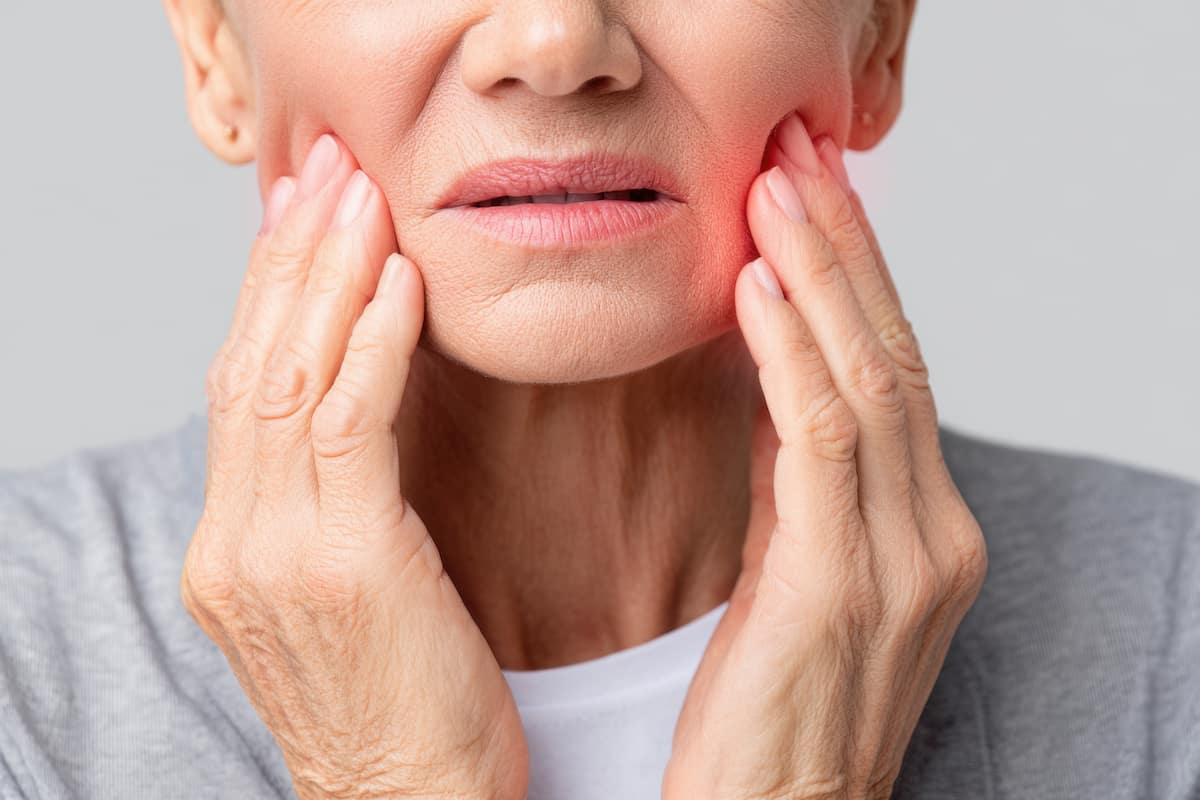
Ill-fitting or worn dentures that affect eating, speaking and comfort.
-
Mouth infections or sores that can progress quickly in residents with reduced immunity.
-
Difficulty maintaining daily oral care due to mobility limitations or cognitive decline.
 Impact on Nutrition and Hydration
 Increased Hospitalisation Risks