Planning Ahead: Preventing Dental Issues Before They Become Emergencies in 2026

As we move into a new year, aged care providers, families, and health professionals are once again focused on planning ahead to support the comfort, dignity, and wellbeing of elderly residents. While medical reviews, mobility support, and medication management are often prioritised, oral health can still be overlooked until a problem becomes urgent.
Dental emergencies in aged care are rarely sudden. In most cases, they develop gradually, starting as small, manageable issues that go unnoticed or untreated. With the right planning and regular preventative care, many of these emergencies can be avoided altogether.
Looking ahead to 2026, proactive dental care should be viewed as an essential part of holistic aged care, not a reactive service reserved for moments of crisis.
Why Prevention Matters in Aged Care Dentistry
Dental emergencies can be particularly distressing for elderly residents. Pain, swelling, infection, or broken teeth often cause confusion, anxiety, and behavioural changes, especially for residents living with dementia or cognitive impairment. Unlike younger patients, older adults may struggle to communicate discomfort clearly or may not recognise dental pain as something that needs attention.
Preventative dental care reduces the likelihood of these situations arising. Early identification of oral health issues allows treatment to be planned calmly and respectfully, without the urgency and disruption that emergencies bring. It also helps maintain residents’ quality of life, supporting comfort, nutrition, speech, and social confidence.
From a care perspective, prevention supports smoother routines, reduces unplanned hospital transfers, and eases the burden on staff and families.
 The Real Cost of Dental Emergencies in Aged Care
 The Real Cost of Dental Emergencies in Aged Care
When dental issues escalate into emergencies, the impact extends far beyond the immediate clinical problem. For residents, dental emergencies can lead to significant pain, fear, and loss of trust, particularly if treatment occurs in unfamiliar or stressful environments.
There are also wider consequences to consider, including:
- Increased agitation or withdrawal
- Changes in eating habits and poor nutrition
- Risk of infection spreading beyond the mouth
- Sleep disruption and reduced overall wellbeing
- Emotional distress for families
- Increased workload and stress for care staff
Emergency dental situations often require urgent decision-making, external appointments, and complex coordination, all of which can be avoided with early planning and regular reviews.
Common Dental Issues That Escalate Without Early Intervention
Many dental emergencies seen in aged care settings begin as minor concerns that could have been addressed earlier. Common examples include:
Tooth decay and weakened teeth can progress silently until a tooth fractures or becomes infected. What starts as a small cavity can result in severe pain or abscess formation if left untreated.
Gum disease is another frequently missed issue. Early gum inflammation may not appear serious, but advanced gum disease can cause pain, bleeding, loose teeth, and infection.
Dry mouth is particularly common among elderly residents, often caused by medications or medical conditions. Reduced saliva increases the risk of decay, discomfort, oral infections, and difficulty eating or speaking.
Denture-related problems, such as poor fit or pressure sores, can lead to ongoing pain, ulceration, and reduced nutrition if residents avoid eating.
Each of these issues can be identified early through regular assessments, preventing them from escalating into emergencies.
Why Dental Problems Are Often Missed in Elderly Residents
Oral health issues are frequently underreported in aged care for several reasons. Many residents assume discomfort is a normal part of ageing or feel reluctant to complain. Others may have difficulty expressing pain due to dementia, stroke, or communication challenges.
In some cases, behavioural changes are the only indicator of dental discomfort. Increased agitation, refusal to eat, or resistance to personal care can all be signs of underlying oral pain.
Time pressures and competing care priorities can also contribute to dental issues being missed, particularly if oral health checks are not embedded into routine care processes.
This is why regular, structured dental reviews are so important. They remove reliance on self-reporting and allow issues to be identified proactively.
The Role of Regular Dental Reviews in Prevention
 The Role of Regular Dental Reviews in Prevention
Routine dental reviews are one of the most effective ways to prevent emergencies in aged care settings. These reviews provide an opportunity to assess changes over time, identify early warning signs, and plan treatment before discomfort escalates.
Preventative dental visits also allow residents to become familiar with dental professionals, building trust and reducing anxiety. This is particularly important for residents who may find new experiences unsettling.
From a care planning perspective, regular reviews ensure dental health is considered alongside medical and personal care needs, rather than addressed in isolation.
Simple Preventative Steps That Make a Big Difference
Preventing dental emergencies does not always require complex interventions. Small, consistent actions can have a significant impact when applied across daily care routines.
Effective preventative strategies include:
- Maintaining consistent daily oral hygiene support
- Monitoring changes in eating habits or behaviour
- Encouraging adequate hydration to reduce dry mouth
- Checking dentures regularly for signs of discomfort or wear
- Reporting concerns early rather than waiting for visible pain
These steps support early intervention and reduce the likelihood of dental issues progressing unnoticed.
Supporting Residents With Dementia or High Care Needs
Residents living with dementia or requiring higher levels of care are at greater risk of undetected dental issues. They may be unable to describe pain, resist oral care, or show distress in ways that are misunderstood.
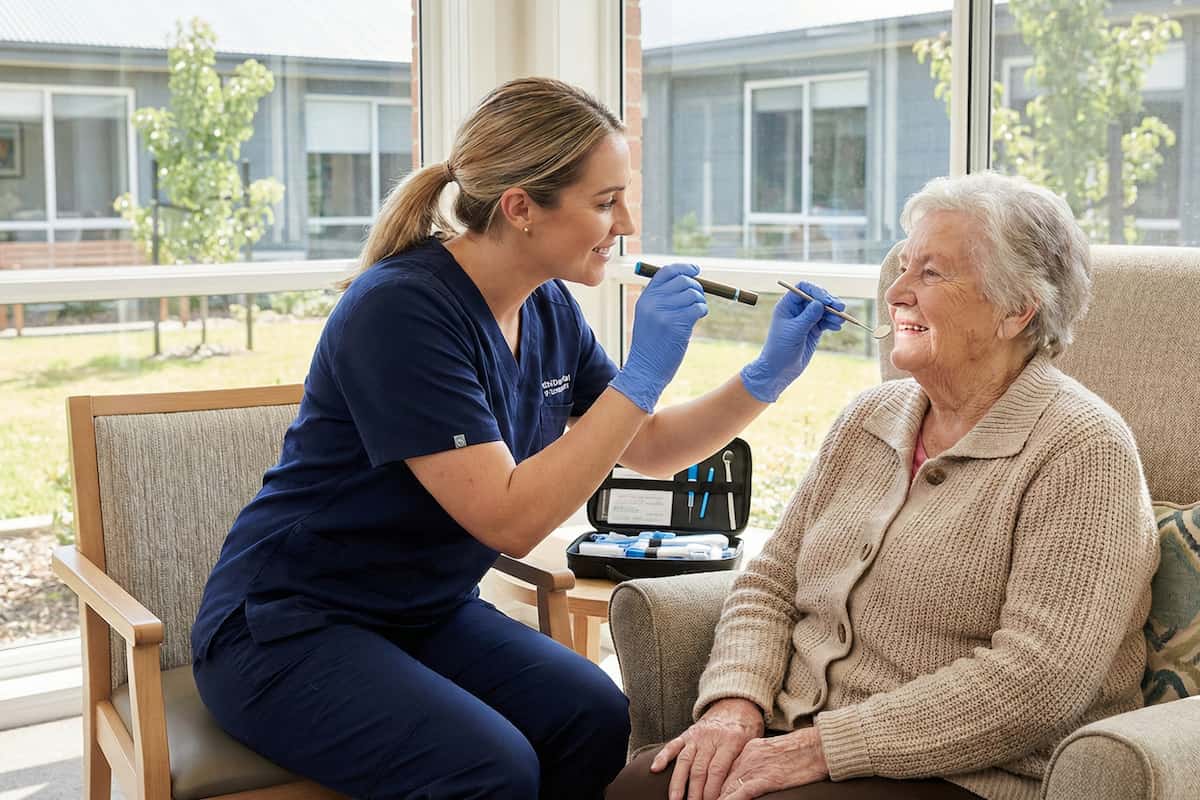
A preventative approach for these residents focuses on observation, gentle techniques, and familiarity. Recognising subtle signs such as facial expressions, changes in mood, or refusal to eat can provide early clues to dental discomfort.
Planned dental care in familiar surroundings, delivered with patience and respect, helps prevent situations where urgent treatment becomes necessary.
Planning Dental Care as Part of the Yearly Care Plan
 Planning Dental Care as Part of the Yearly Care Plan
The start of a new year is an ideal time to review and update care plans. Dental care should be included as a standard part of this process, rather than treated as an optional extra.
Incorporating dental reviews into annual planning ensures:
- Oral health risks are identified early
- Care strategies are aligned with changing health needs
- Communication between dental professionals and care teams is strengthened
- Preventative care is prioritised over reactive treatment
By planning ahead, facilities and families can reduce uncertainty and ensure residents receive timely, appropriate dental support.
How Aged Care Dentistry Helps Prevent Emergencies
Aged Care Dentistry focuses on delivering dental care that is preventative, respectful, and tailored to the unique needs of elderly residents. By prioritising regular assessments, early intervention, and gentle care, dental emergencies can often be avoided.
Working collaboratively with care teams and families allows dental professionals to support resident wellbeing while minimising disruption to daily routines. This proactive approach reduces stress for everyone involved and promotes better long-term outcomes.
A Proactive Year Ahead
As we look ahead to 2026, preventative dental care should be recognised as a vital component of quality aged care. Planning ahead not only reduces the risk of painful emergencies but also supports dignity, comfort, and quality of life for residents.
By identifying issues early, embedding oral health into care planning, and prioritising gentle, preventative care, aged care providers and families can ensure dental issues are managed calmly and respectfully.
A proactive approach today helps avoid crisis situations tomorrow, creating a safer, more comfortable year ahead for residents and those who care for them.
Take the Next Step
If you would like to support your residents or loved ones through proactive dental care planning in 2026, our team is here to help. Contact Aged Care Dentistry to discuss preventative dental reviews and ongoing oral health support tailored to your care setting.