
Denture Problems in Aged Care: Loose, Broken or Painful Dentures
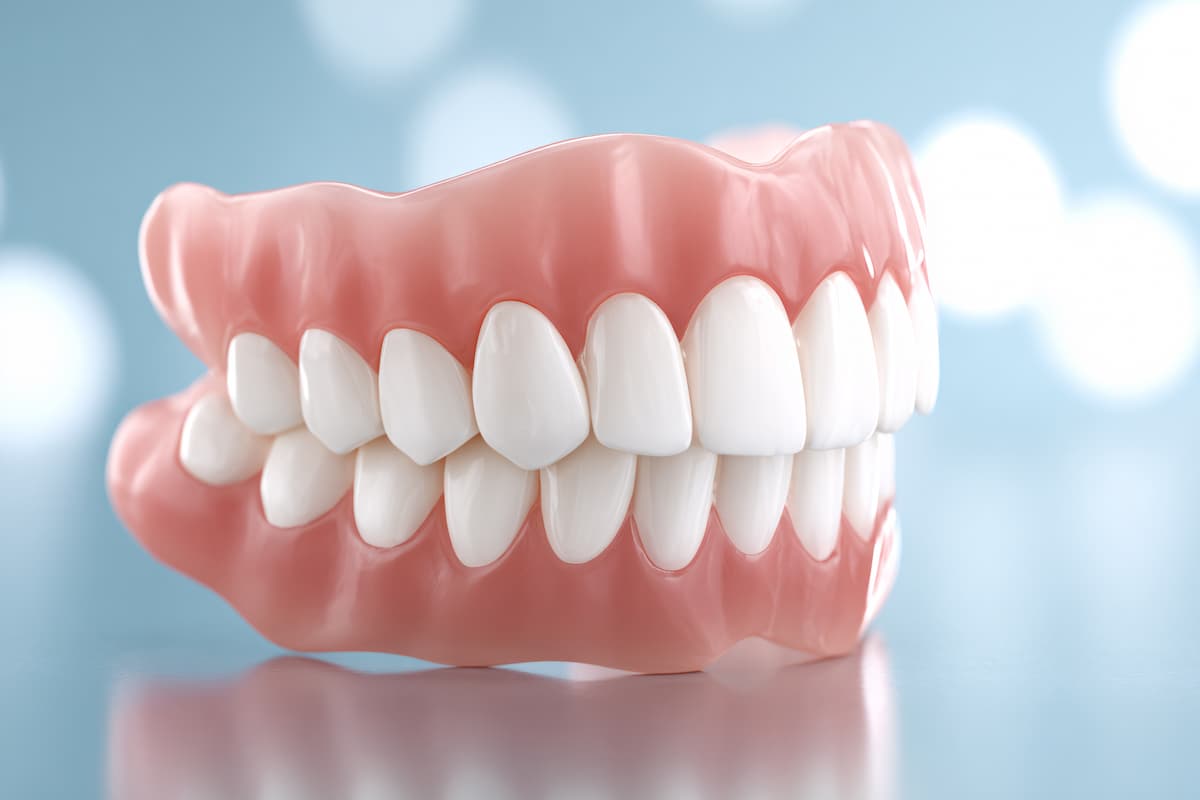
Loose, broken or painful dentures can affect meals, speech and confidence. A professional review can identify what needs to change.
Dentures that click or move during meals, a cracked plate or a sore spot under the denture are worth reporting. Some residents adapt by eating less or leaving their dentures out rather than asking for help. Families and care staff can make a difference by noticing these changes and asking about comfort. A mobile assessment may make care more accessible when travelling to a clinic is difficult.
Why dentures loosen as we age
The mouth can change shape after teeth are lost, while the denture remains the same shape. The supporting ridge may shrink over time, and the denture itself can also wear or become damaged. This can lead to movement, food trapping or rubbing. A loose denture is not a personal failing. The dentist or dental prosthetist will assess both the mouth and the appliance before recommending an adjustment, reline or replacement; there is no single repair that suits every case.
The real cost of a loose denture
An unstable or painful denture can make chewing harder and change the foods a person chooses. Some people also feel less comfortable speaking or smiling. Sore areas beneath the plate need checking, and partial dentures require attention to the remaining natural teeth as well. Changes in eating, weight or mood have other possible causes, so involve the care team rather than attributing everything to the denture. If meals are becoming difficult, ask for dental review and appropriate nutrition or swallowing advice.
Broken dentures and the superglue problem
Dentures can crack, lose a tooth or develop a damaged clasp. Do not use household adhesives or attempt to file or bend the appliance: this can make it unsafe or harder to repair correctly. Keep the pieces in a labelled container and ask the dental team about storage and assessment. Avoid wearing a denture with a sharp edge or loose fragment. Some repairs require laboratory work, so ask about timing and a safe plan for eating while the denture is unavailable.
Painful dentures and pressure sores
New dentures may need adjustment as the wearer gets used to them, but persistent pain should not simply be tolerated. A pressure area, poor fit or another mouth condition may need treatment. For a person with dementia, removing the denture or resisting meals can be a clue, although it is not a diagnosis. Report persistent sores promptly, especially any ulcer that is not healing. A clinician should check the tissue rather than assuming every sore is caused by the denture. Adjustment may help, but relief and healing times vary.
Daily denture care that actually prevents problems
Clean dentures every day using a suitable brush and a cleaner recommended for the denture material. Ordinary toothpaste can scratch plastic. Work over a towel or bowl of water to reduce breakage if the appliance slips, and avoid hot water. Follow the product instructions for cleaning solutions, including soaking times and rinsing. Dentures are generally removed for sleep unless the treating clinician gives specific short-term instructions. Follow individual storage advice and use a clearly labelled container. Remaining teeth, gums and tongue also need care. If removal causes distress, pause and seek a tailored care plan rather than forcing the mouth open.
How mobile denture treatment works
Aged Care Dentistry’s mobile denture service provides assessment and options for repairs, relines and new dentures in aged care settings. The clinician checks the fit, the mouth tissues and the resident’s ability to manage the appliance. Depending on the work, further visits or laboratory stages may be needed. Ask what can be done at the facility, what the proposed treatment costs and whether any applicable benefit requires approval. Confirm the resident’s consent and preferences before treatment; affordability and suitability should be clear, not assumed.
Arrange a denture assessment
Call (08) 6558 1889 or contact Aged Care Dentistry to discuss the resident’s symptoms, location and appointment availability. The team can explain assessment arrangements and costs. An enquiry form is not an emergency service.
For further general information, see Australian Dental Association denture guidance. This article is general information and does not replace individual clinical advice.
Frequently Asked Questions
The supporting mouth tissues and bone can change shape after tooth loss, while the denture can wear or become damaged. An assessment is needed to decide whether adjustment, relining or replacement is appropriate.
Some broken dentures can be repaired, but the damage, fit and condition determine the best option. Keep all pieces and avoid home glue, filing or bending. Ask how to store the denture and how long laboratory work may take.
Mobile assessment and fitting visits may be possible at the facility. Some repairs and new dentures involve laboratory stages and several visits. The team must confirm the plan for the individual resident.
Have the dentist recommend an interval based on the resident’s mouth and health. Seek an earlier review for pain, movement, food trapping, sores or damage. Replacement should be based on condition and function, not a fixed age.
Usually dentures are removed for sleep, unless a treating clinician gives specific instructions, such as immediately after some extractions. Follow individual cleaning and storage advice. Do not force removal if the resident resists; ask the care team for help.
Costs depend on the assessment, type of repair or replacement, and any laboratory or additional visits. Ask for a written estimate and confirm any private health or DVA benefit and possible out-of-pocket costs before proceeding.