
Dry Mouth in Older Adults: A Guide for Families and Carers
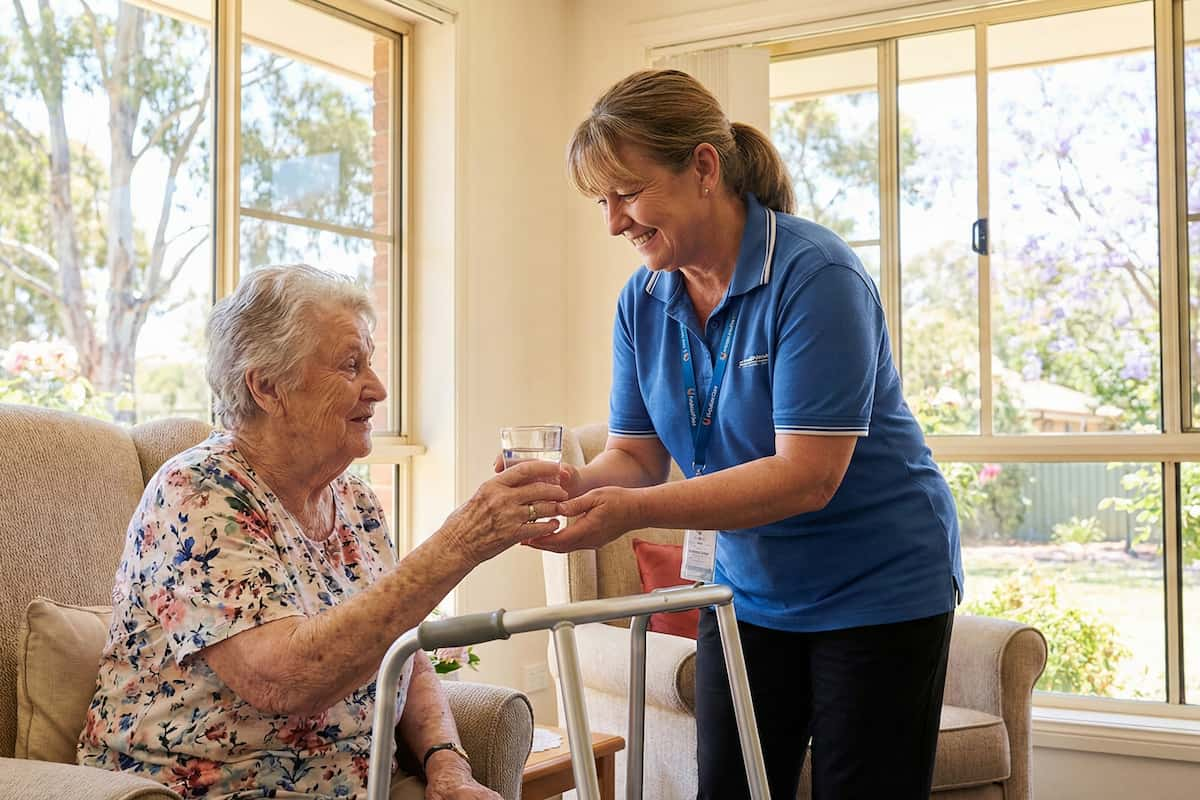
What families and carers should know about medication, dentures and everyday mouth comfort
Dry mouth in older adults deserves attention when it keeps returning or affects eating, speaking, sleep or wearing dentures. It is not an inevitable part of ageing. Medicines, dehydration and several health conditions can contribute, and the cause cannot be established simply by offering another glass of water. [1]
A resident may describe a sticky mouth or ask for frequent sips. Someone who cannot explain the sensation may take longer over meals or stop wearing a denture comfortably. At Aged Care Dentistry, we help people who have difficulty attending a conventional clinic. This guide explains what families and carers can notice and discuss with the dental and medical teams.
Understand what saliva does
Saliva moistens the mouth, helps food move during chewing and swallowing, and protects teeth. When there is not enough effective moisture, food can feel dry, tissues may become uncomfortable and tooth decay risk can increase. Persistent dryness can also make oral infections more likely. Symptoms deserve assessment even when the person has no natural teeth. [1]
The feeling of dryness and the amount of saliva are related but not identical. A person can feel dry without a simple explanation based on how much they drink. The dentist or doctor may consider medical history, medicines and an examination, and sometimes further tests, before recommending a plan. [1, 2]
Our article on how oral health influences elderly wellbeing provides the broader context. Here, the focus is the specific symptom of dryness and how it affects daily care. A new symptom should not be dismissed as ordinary ageing or assumed to be caused by dentures without checking the mouth.
What can cause dry mouth in older adults
Many medicines can cause dry mouth, including some used for blood pressure, depression and bladder conditions. Several medicines taken together can complicate the picture. Make a list of prescriptions, over-the-counter products, supplements and recent changes to discuss with the GP, pharmacist and dentist. [1, 2]
Do not stop a medicine or reduce its dose to test whether the mouth improves. The prescriber needs to weigh its benefits, possible alternatives and the person's other health needs. A pharmacist can help identify potential contributors, while the GP determines what medical investigation or prescribing changes are appropriate. [2]
Dehydration, diabetes, Sjögren's disease and some cancer treatments are among other possible contributors. Mention when the dryness began and whether it follows a change in health or treatment. An oral examination also helps identify problems such as tissue soreness or decay that need attention alongside the cause of dryness. [1]
Make meals and drinks more comfortable
For someone who can swallow safely and is allowed unrestricted fluids, regular small sips of water may help with comfort. Moistening food with an appropriate sauce can make it easier to manage. Choose food and fluid textures that fit the resident's existing plan rather than assuming every soup, drink or soft food is suitable. [2]
Fluid restrictions and swallowing difficulties change the advice. Ask the nurse, GP or speech pathologist how mouth-moistening measures can fit those requirements. Do not encourage unlimited drinking, spray liquid into the mouth or offer ice, gum or lozenges without checking that the person can manage them safely. A clinical plan should guide these choices. [3]
Frequent sugary drinks or sweets used for relief can add to tooth decay risk. Acidic products may also be uncomfortable or unsuitable for teeth. Ask a dentist or pharmacist about an appropriate sugar-free option instead of treating every dry sensation with juice or confectionery. Sugar-free gum can stimulate saliva in some people, but it is not suitable for everyone. [1, 2]
Review products and the daily cleaning routine
Saliva substitutes are available as gels, sprays and other products. They can improve comfort for some people, but they do not identify the cause of dryness. Ask which product, amount and method suit the resident's health, swallowing ability and denture materials. A product that suits one resident should not automatically be shared or copied for another. [2]
Continue gentle brushing with fluoride toothpaste and clean between natural teeth where this is practical and safe. A dentist may recommend a higher-fluoride product for someone at increased decay risk. That is a personalised recommendation, particularly when the person needs help managing toothpaste or has difficulty spitting. [2, 3]
A dental assessment can establish whether dryness has already affected the teeth or mouth tissues. It can also guide review frequency and professional dental hygiene. Check the care plan after a product is introduced so staff know how it should be used, whether it is helping and when to report continuing symptoms.
Check dentures and the tissues beneath them
Dryness can make a removable denture feel less comfortable. Red areas, rubbing, soreness or a change in willingness to wear it need assessment. Adding more adhesive or keeping it in continuously can conceal a problem without resolving its cause. Denture fit and mouth health should be checked together. [1, 4]
Remove removable dentures for sleep unless the dentist has given a specific reason for a different routine. Clean the denture and the mouth separately, using products and storage instructions suitable for the appliance. Even without natural teeth, the resident still needs reviews of their oral tissues and denture fit. [4]
Our mobile denture service provides care for people who cannot easily travel to a clinic. Explain whether the problem occurs throughout the day, during meals or at night. Those details help the team understand the resident's experience without assuming a new denture is always the answer.
Know when to arrange help
Book a dental or medical review when dryness persists, the mouth is sore, dentures become uncomfortable or eating and drinking change. Prompt assessment is important if the person cannot maintain their usual intake or medicines, appears dehydrated or becomes unwell. A persistent mouth ulcer or unexplained tissue change also needs examination.
For Perth families coordinating residential care, combine observations from visits with the care team's daily records. Ask what has changed in medicines, meals and mouth care rather than relying on one observation. A clear account helps the dentist and GP decide what to investigate and makes it easier to see whether the agreed plan improves comfort.
Arrange a dry mouth assessment with Aged Care Dentistry
If dry mouth in older adults is affecting someone you support, contact Aged Care Dentistry on (08) 6558 1889 or use our contact form to discuss a mobile dental assessment in Perth. Our principal dentist, Dr Prath Bala, holds a Bachelor of Dental Science from The University of Western Australia. Tell us about the person's symptoms, medicines and denture concerns so we can advise on the next step.
Sources and further reading
- National Institute of Dental and Craniofacial Research: Dry mouth. Accessed 11 November 2026.
- Australian Dental Association: Dry mouth. Accessed 11 November 2026.
- Wirral Community Health and Care NHS: Oral health advice for patients with dysphagia. Accessed 11 November 2026.
- Australian Dental Association: Dentures. Accessed 11 November 2026.
Frequently Asked Questions
Yes. The sensation of dry mouth is not always explained by fluid intake alone. Medicines, medical conditions and changes in saliva can contribute even when the person appears to drink regularly. A dentist or doctor should review persistent symptoms rather than assuming that more water will solve them. Bring a current medication list and describe when the dryness occurs. If a resident has a fluid restriction or swallowing difficulty, keep following their existing plan and ask the clinical team how to improve mouth comfort within those requirements.
Do not stop, reduce or move a medicine dose without advice from the prescriber. The medicine may be important for another condition, and a change can carry risks. Tell the GP and pharmacist when dryness started and whether it followed a new prescription or dose change. Include non-prescription medicines and supplements in the review. They can consider whether a medicine is contributing and whether a suitable alternative exists. A dental assessment can address tooth decay risk, soreness and denture problems while the medical review takes place.
No. Although some sugar-free products can help stimulate saliva, lozenges and chewing gum may be unsuitable for someone with swallowing difficulties, reduced alertness or dementia. Sugar-free does not mean safe to suck or chew. Ask the nurse, dentist or speech pathologist which options fit the person’s swallowing and care plan. A pharmacist can advise on ingredients and alternative products such as an appropriate gel. Carers should avoid introducing sweets or lozenges as a routine remedy without checking that the person can manage them safely.
Yes. Dry mouth can affect the gums and other mouth tissues, comfort when wearing dentures and the ability to eat or speak. Having no natural teeth does not prevent soreness or infection. A dentist can examine the mouth, check the denture and recommend suitable care. The GP may also need to investigate possible medical or medication-related causes. Explain any change in denture wearing, appetite or oral care tolerance. Avoid simply adding adhesive or changing cleaning products without finding out why the resident is uncomfortable.
A mouth-moisturising product has a different role from fluoride toothpaste. It may provide temporary comfort, while fluoride toothpaste helps protect natural teeth against decay. Someone with persistent dryness may need both, chosen and used according to professional advice. Ask the dentist which toothpaste is suitable and whether the person needs extra fluoride protection. If swallowing or spitting is difficult, the method and quantity need individual guidance. Do not assume a spray, gel or rinse can take the place of brushing and the rest of the oral care plan.
Record when the symptom started, when it is most noticeable and whether it affects food, sleep, speech or dentures. Bring the current medication list and note recent prescription changes, illnesses or dental treatment. Explain any fluid restriction, modified diet or swallowing plan. Staff observations about mouth soreness, reduced intake and products already tried are useful. If possible, describe whether a product helped and for how long. This information helps the dentist and GP assess causes and plan care without relying on a single observation during the appointment.