
Should Dentures Be Removed at Night in Aged Care?
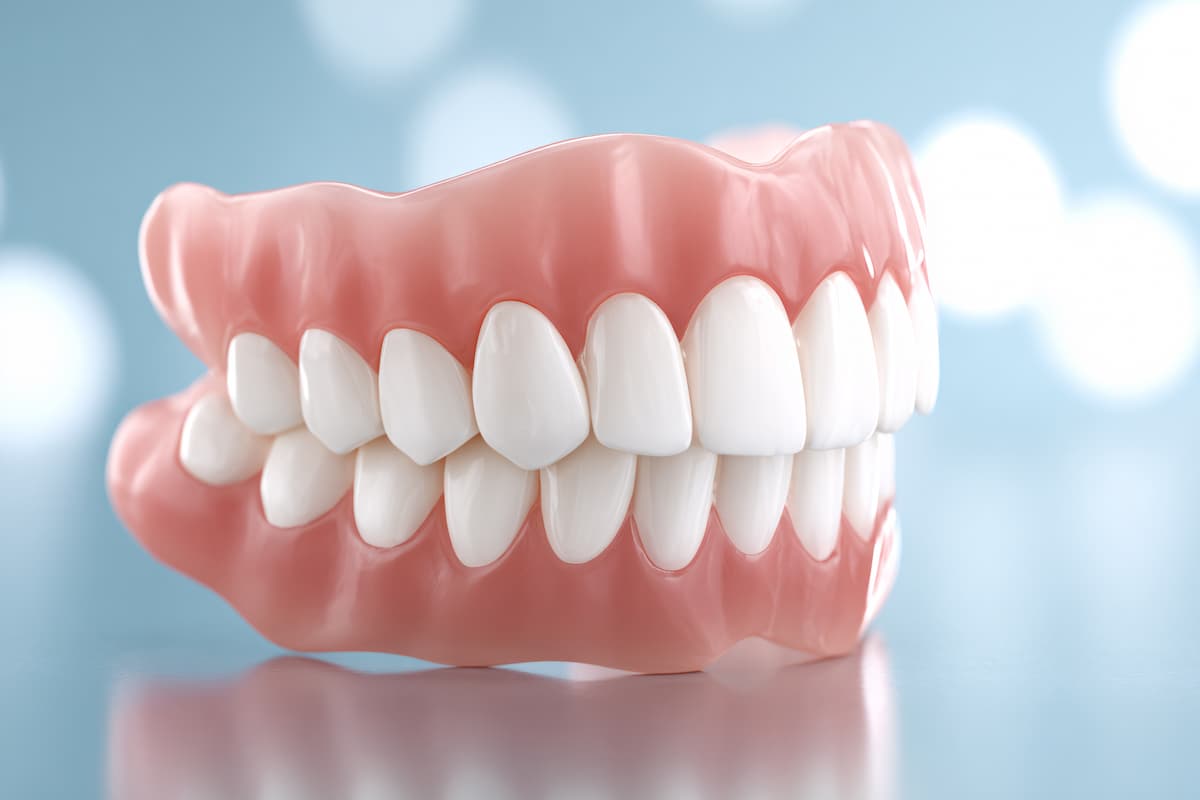
A guide to overnight care for aged care residents and the people supporting them
Should dentures be removed at night? For most people with removable dentures, the usual advice is yes, unless their dentist has given specific instructions otherwise. The overnight break allows the mouth to rest and gives carers time to clean the appliance and check the tissues underneath. [1, 2]
For an aged care resident, the routine also needs to respect privacy, consent and the person's ability to remove the denture safely. A new immediate denture fitted after an extraction may have different initial instructions. This guide covers overnight wearing and the practical care plan; our denture cleaning guide provides the broader cleaning resource.
Why should dentures be removed at night
A removable denture covers tissues that need regular cleaning and examination. Continuous wearing can allow food and plaque to remain against the mouth and can contribute to soreness and infection. Partial dentures also sit beside remaining teeth, so cleaning those teeth and the appliance separately is important. [1, 2]
Removing the denture creates an opportunity to look for rubbing, redness or another change the resident may not have reported. The denture itself can be inspected for cracks, a damaged clasp or deposits that need professional attention. The aim is a comfortable, clean mouth rather than simply ticking off removal before bed.
People with no natural teeth still need dental reviews. Changes to the gums and jaw can alter how a denture fits, and the dentist also examines the mouth tissues. Taking a denture out overnight supports the routine, but it cannot correct a poorly fitting appliance or replace a dental assessment. [1]
Confirm that the appliance is removable
Dentures and other tooth replacements are not all handled in the same way. A conventional full or partial denture is usually removable by the wearer or someone trained to assist. Some implant-supported appliances are removable, while others are fixed and need a different cleaning method. Ask the treating clinician to identify the appliance and demonstrate its care. [1, 2]
Do not pull at an unfamiliar appliance or try to remove screws. A partial denture may have a specific path of removal around its clasps. If carers are unsure how it comes out, request instruction. Pain, unexpected resistance or a broken part is a reason to stop and contact the dental team rather than applying more force.
After a recent extraction, ask whether an immediate denture must remain in place for a specified initial period. Make sure the written plan explains when removal and cleaning should begin, when it should be reviewed and when the normal overnight routine can resume. General advice about sleep does not override those individual treatment instructions.
Build an evening routine the resident accepts
Explain what you are offering before helping. Some people feel self-conscious without their teeth, particularly if they share a room or expect a visitor. Offer privacy and discuss the timing with them. Preparing the labelled container and cleaning items first can make the process calmer and reduce the time the person is left waiting.
If the resident has dementia, a familiar routine and simple explanation may help. Do not force the mouth open or insist on removing the denture while the person is distressed. Pause, report the difficulty and ask the nursing and dental teams to develop an individual approach. A change in acceptance can also reflect pain or a fit problem. [3]
The care plan should identify what the resident manages independently and what assistance they want. Families can explain familiar preferences, while staff need a method that can be followed across shifts. In a Perth facility, a relative who cannot attend every evening should still be able to share useful information without becoming the only person who can complete the routine.
Separate cleaning instructions from storage instructions
Remove the denture before cleaning it. Use a suitable brush and cleaning method advised for its materials, working over a towel or water-filled basin to reduce the risk of breakage if it slips. Ordinary toothpaste can be abrasive to denture material. Rinse away cleaning product before the appliance goes back into the mouth. [1, 2]
A cleaning solution is not automatically intended for an overnight soak. Follow the manufacturer's contact time and check compatibility, particularly if the denture contains metal, a soft lining or attachments. Do not use hot water or household cleaning chemicals. Ask the dental team before adding a home remedy to the routine.
Storage advice can vary with the appliance and clinical guidance. Some dentures are stored dry and others in water or another recommended system. Ask the dentist for a specific instruction and record it. A universal rule to leave every denture in water or cleanser overnight can conflict with the advice for that particular appliance. [1, 2]
Make the morning check part of the plan
Keep the denture in a clearly identified container in an agreed, safe location. Do not wrap it in a tissue or leave it on a meal tray where it can be discarded. Staff should be able to find it without searching the resident's belongings, while the resident's privacy is maintained.
Before it is put back in, check that the denture has been rinsed and that no cleaning solution remains. Ask about soreness and look for damage. If it does not fit as expected, do not force it into place, file it or attempt a repair with glue. Contact the dental team and explain what changed.
A loose denture assessment can help establish whether an adjustment, reline or replacement is appropriate. New soreness, a persistent ulcer, bleeding or difficulty eating also needs professional attention. More adhesive or a different overnight product should not be used to avoid checking an appliance that has become uncomfortable.
Review the routine when needs change
Admission to aged care, a hospital stay or a change in dexterity can affect a routine that previously worked well. Review who provides assistance and whether the resident can still manage the container and brush. Keep instructions for the denture with the mouth-care plan so the process is clear to relief staff as well as regular carers.
At Aged Care Dentistry, our mobile denture service supports people who find it difficult to attend a conventional clinic. Describe the resident's concerns and the appliance they wear when arranging a visit. A review can consider mouth health, fit and the practical routine together, rather than assuming the overnight habit is the only issue.
Discuss overnight denture care with Aged Care Dentistry
For advice on removing dentures at night, contact Aged Care Dentistry on (08) 6558 1889 or use our contact form. Our Perth mobile team is led by Dr Prath Bala, who holds a Bachelor of Dental Science from The University of Western Australia. We can discuss a denture review and advice that fits the resident's mouth, appliance and daily care needs.
Sources and further reading
- Australian Dental Association: Dentures. Accessed 11 November 2026.
- NHS: Dentures. Accessed 11 November 2026.
- Dementia Australia: Dental care. Accessed 11 November 2026.
- Aged Care Dentistry: About us. Accessed 11 November 2026.
- healthdirect Australia: Dental injury and emergency care. Accessed 11 November 2026.
Frequently Asked Questions
It depends on whether the appliance is removable or fixed. Some implant-retained dentures are designed to be taken out each day, while fixed implant restorations need a different cleaning routine and should not be removed by a carer. Ask the treating dentist to identify the appliance and demonstrate its care. Do not pull at an unfamiliar restoration or try to remove screws. The written plan should explain what comes out, who can assist, which cleaning products are suitable and how the mouth or attachments should be cleaned.
No single storage instruction suits every appliance. Advice can differ according to the denture material, lining, attachments and the treating clinician’s recommendations. Some guidance allows dry storage, while other appliances are kept in water or a specified storage system. Ask the dentist what is right for the resident’s denture and record the answer in the care plan. Follow cleaning-product instructions separately, including soaking times. A solution intended for a short cleaning cycle should not automatically be used for an overnight soak without checking its directions.
Acknowledge the concern and offer privacy rather than treating it as an obstacle to finish quickly. Discuss a comfortable time for removal and make sure the cleaned denture will be available when the person wants it again. A clearly labelled container in a safe, agreed location may provide reassurance. If the person has dementia or continues to refuse, involve the nursing and dental teams in an individual plan. Do not remove the denture by force. The conversation should consider comfort, dignity, consent and whether pain is contributing.
An immediate denture fitted after an extraction may have specific initial wearing instructions that differ from the usual overnight routine. The treating dentist should explain whether it needs to stay in for a set period, when it can first be removed and how cleaning will be managed. Follow those instructions rather than a general online rule. Tell the care team about the plan and the follow-up appointment. If the resident develops pain, bleeding or difficulty with the appliance, ask the dental team what to do before changing the routine.
No. Overnight removal is part of good denture care, but it does not guarantee that soreness or infection will not occur. Cleaning the denture, caring for the mouth, checking the fit and arranging professional reviews also matter. Medicines, dry mouth and other health conditions can influence oral health. Seek a dental assessment for persistent redness, soreness, an ulcer or difficulty wearing the appliance. A clinician can identify the cause and recommend treatment rather than assuming that a longer soak or different cleanser will resolve it.
Tell the responsible staff member promptly and check the agreed storage area, container and recent care records. Avoid offering food that the resident cannot manage safely without the denture; ask the care team about their usual eating and swallowing plan. If the appliance cannot be found, contact the dentist to discuss the next step and whether a replacement can be planned. Suspected swallowing or inhalation of a denture needs urgent medical assessment. Call 000 immediately if there is choking, breathing difficulty or collapse. Do not leave the resident trying to manage a broken or unsuitable substitute.